Physiotherapy After Surgery — What to Expect & How It Helps Recovery
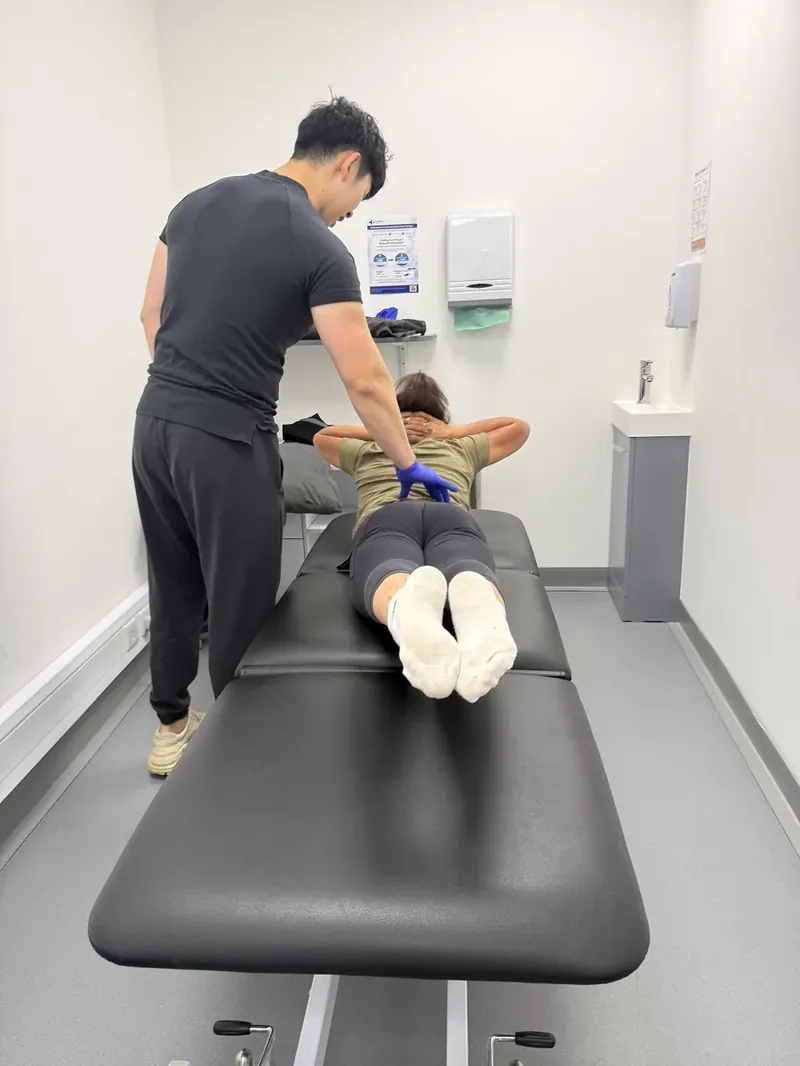
Surgery marks the beginning of recovery, not the end of it. Whether you have undergone orthopaedic surgery for a knee, hip, shoulder, or other joint condition, post-operative physiotherapy plays a critical role in restoring movement, strength, and function — and in achieving the best possible outcome from your procedure.
Why Is Post-Operative Physiotherapy Important?
Surgery addresses the structural problem, but the surrounding muscles, tendons, and joint capsule require rehabilitation to restore normal function. Without structured physiotherapy, patients commonly experience: prolonged swelling, muscle weakness and wasting, joint stiffness, altered movement patterns (compensations), and a slower, less complete functional recovery.
Post-operative physiotherapy provides a structured, progressive programme that safely accelerates recovery, reduces complications, and maximises the long-term outcome of the surgery.
Common Surgeries We Support Recovery From
Knee Surgery
- ACL reconstruction — one of the most demanding rehabilitation programmes in sport. Return to sport criteria-based, typically 9 to 12 months.
- Meniscal repair or meniscectomy — rehabilitation requirements differ based on procedure type
- Total knee replacement (TKR) — early active rehabilitation significantly improves outcomes
- Patella realignment and tibial tubercle osteotomy
Hip Surgery
- Total hip replacement (THR) — progressive rehabilitation including gait re-education and strengthening
- Hip arthroscopy — for labral tears and femoroacetabular impingement
Shoulder Surgery
- Rotator cuff repair — protected early range of motion followed by progressive strengthening
- Shoulder stabilisation (Bankart repair)
- Acromioplasty and subacromial decompression
- Total shoulder replacement
Spinal Surgery
- Discectomy and laminectomy — core and lumbar rehabilitation
- Spinal fusion — progressive rehabilitation respecting fusion timelines
The AlterG Anti-Gravity Treadmill
At Lambert Sports Clinic we have access to the AlterG anti-gravity treadmill — a rehabilitation tool that allows patients to walk and run at a fraction of their body weight. This is particularly valuable in post-operative rehabilitation, where early loading is beneficial but full weight-bearing may be too painful or too risky at first. The AlterG allows progressive loading in a controlled, comfortable environment.
Do I need a GP referral? No — you can book post-operative physiotherapy directly without a GP referral. We accept private health insurance from Bupa, AXA, Vitality, Aviva, WPA, Cigna, and Allianz. Please bring any surgical discharge notes or post-operative instructions to your first appointment.
What to Bring to Your First Post-Operative Appointment
Please bring: any post-operative instructions or restrictions given by your surgeon, your surgical discharge summary if available, any imaging reports (MRI, X-ray) relevant to your surgery, and comfortable loose clothing that allows access to the operated area.
Book Post-Operative Physiotherapy in Surbiton
HCPC physiotherapists · 6 days a week · AlterG treadmill available · Surbiton, Kingston & New Malden
Book Your AssessmentDisclaimer: This article is for general information only and does not constitute medical advice. Suitability for any treatment is determined at individual clinical assessment. Outcomes vary. Lambert Sports Clinic is CQC registered; all physiotherapists are HCPC registered.