Ankle Pain & Sprained Ankle — Physiotherapy at Lambert Sports Clinic
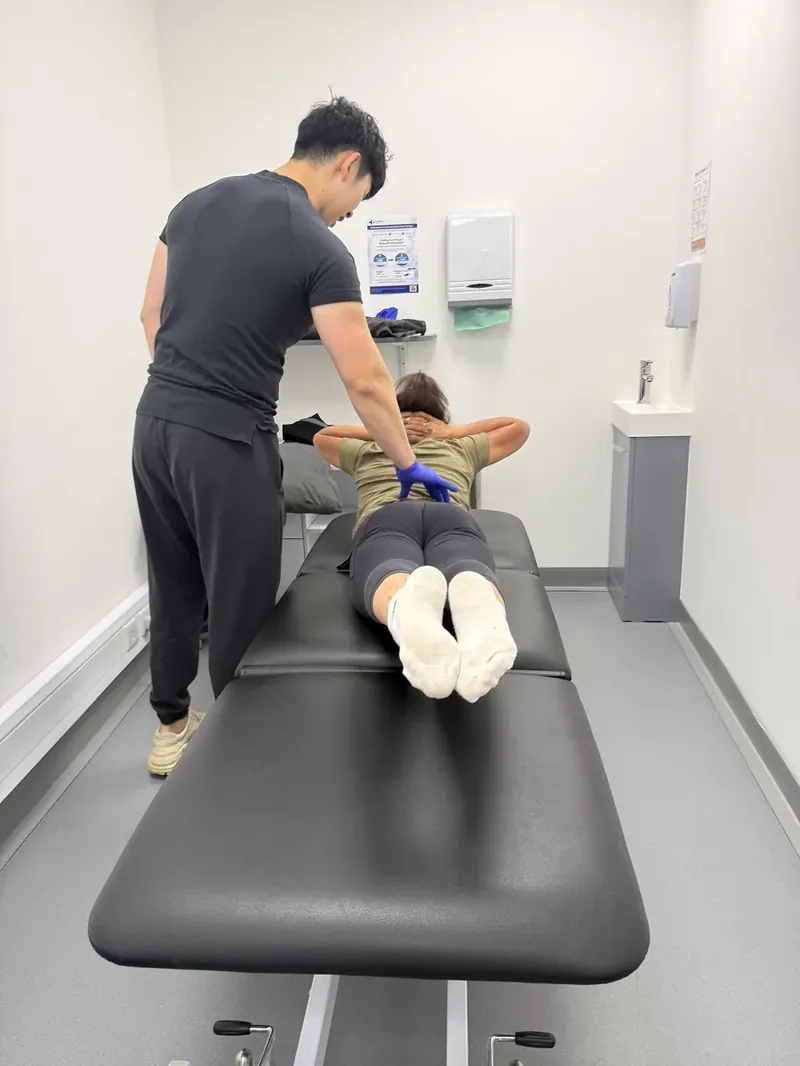
Ankle pain — whether from a recent sprain, a chronic instability issue, or a tendon condition — is one of the most common reasons patients attend Lambert Sports Clinic. The ankle is a complex joint and accurate diagnosis is important: the right treatment depends on identifying exactly which structure is involved.
Lateral Ankle Sprain
A lateral ankle sprain — rolling the ankle inward — is one of the most common acute musculoskeletal injuries in sport and everyday life. It typically injures the lateral ligaments, particularly the anterior talofibular ligament (ATFL). Most ankle sprains are grade 1 or 2 (partial tear) and manage well with physiotherapy, though recovery times vary.
What many people do not realise is that inadequately rehabilitated ankle sprains are a major risk factor for recurrence. Research shows that up to 70% of people who sprain an ankle develop some degree of chronic ankle instability. A full physiotherapy programme — including proprioceptive training, strengthening, and graduated return to activity — significantly reduces this risk.
Grades of Ankle Sprain
- Grade 1 — ligament stretched, minor pain and swelling, walking possible
- Grade 2 — partial tear, moderate pain, swelling and bruising, some functional limitation
- Grade 3 — complete tear, significant pain, swelling, instability — assessment important to guide management
Chronic Ankle Instability
If you have sprained your ankle multiple times and feel that it "goes" easily, you may have developed chronic ankle instability. This involves both mechanical laxity (looseness in the ligaments) and proprioceptive deficits (reduced position sense). Physiotherapy with a specific proprioceptive and strengthening programme is highly effective for chronic ankle instability and can significantly reduce further sprains.
Achilles Tendinopathy
Pain in the Achilles tendon — either mid-portion (a few centimetres above the heel) or at the insertion point into the heel bone — is common in runners, court sport players, and active adults. It is a load-related tendon condition that requires a progressive heel-raise loading programme. For mid-portion Achilles tendinopathy persisting beyond 3 months, shockwave therapy may be considered.
Peroneal Tendon Pain
The peroneal tendons run behind the outer ankle bone and can become irritated or inflamed, particularly after ankle sprains or with overuse. Pain is felt behind and below the outer ankle, and may be associated with clicking. Physiotherapy manages peroneal tendon conditions through load modification and progressive strengthening.
Posterior Tibial Tendon Dysfunction
Pain on the inner side of the ankle — particularly with prolonged standing, walking, and flat-footed posture — may involve the posterior tibial tendon. This is an important tendon for maintaining the arch of the foot and can be associated with progressive flat foot deformity if not addressed early.
Returning to Sport After Ankle Injury
A structured, criteria-based return to sport after ankle injury is important. Simply resting until the pain settles and then returning to training is not adequate rehabilitation — it leaves the ankle vulnerable to re-injury. Your physiotherapist will guide you through progressive return to your sport with clear criteria for each stage.
Available 6 days a week including Saturdays. Lambert Sports Clinic · 380 Ewell Road, Surbiton KT6 7BE · CQC registered · HCPC physiotherapists
Book an Ankle Assessment in Surbiton
HCPC physiotherapists · 6 days a week · Surbiton, Kingston & New Malden
Book Your AssessmentDisclaimer: This article is for general information only and does not constitute medical advice. Suitability for any treatment is determined at individual clinical assessment. Outcomes vary. Lambert Sports Clinic is CQC registered; all physiotherapists are HCPC registered.