IT Band Syndrome (Runner's Knee) — Physiotherapy & Return to Running
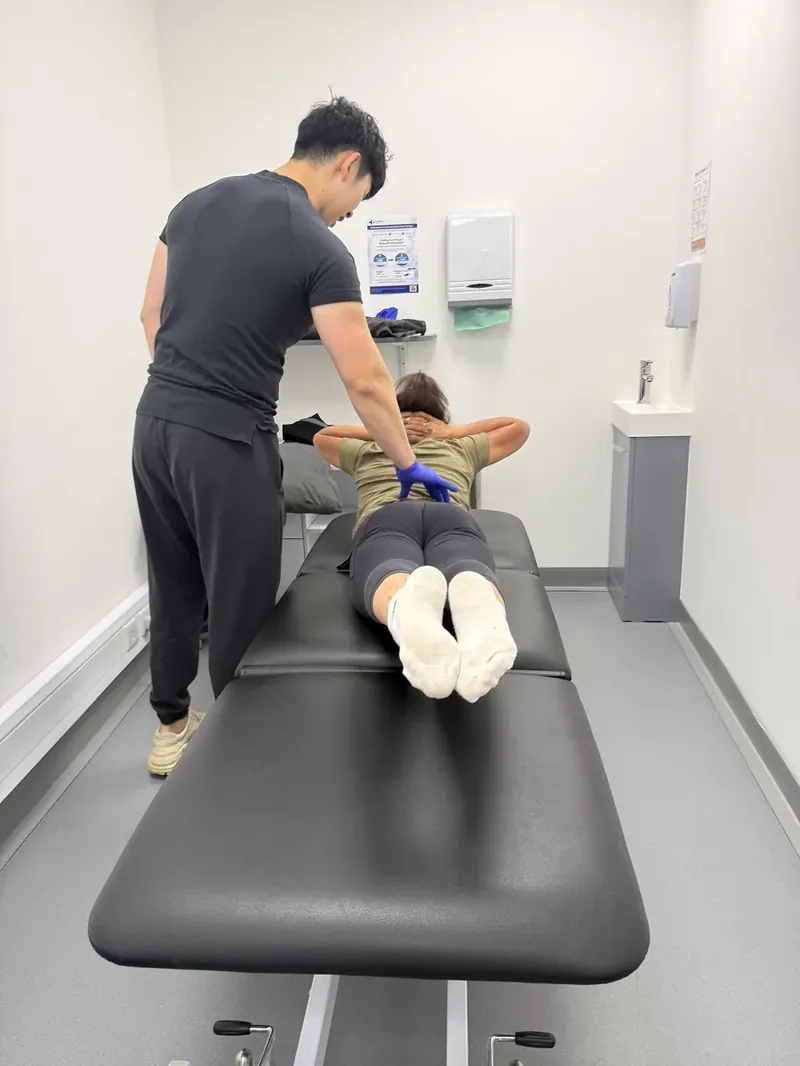
Iliotibial band (IT band) syndrome is one of the most common overuse injuries in runners, cyclists, and those who engage in repetitive lower limb exercise. It causes pain on the outer side of the knee — typically coming on during runs at a predictable distance — and can be frustratingly persistent if not managed correctly.
What Is the IT Band?
The iliotibial band is a thick band of connective tissue that runs from the hip (iliac crest and tensor fasciae latae muscle) down the outer thigh to the knee, attaching at the lateral tibial condyle (Gerdy's tubercle). It plays an important role in knee and hip stabilisation during running and walking.
What Causes IT Band Syndrome?
IT band syndrome is now understood to arise from compression of the tissue that lies beneath the IT band, rather than from the IT band "rubbing" across the knee as was previously thought. The compression occurs in a specific range of knee flexion (around 30 degrees) — exactly the range the knee passes through repeatedly during running.
Contributing factors typically include:
- Sudden increase in running volume or intensity
- Hip abductor and gluteal weakness
- Excessive hip adduction (cross-body movement) during running
- Running on cambered surfaces or always running in the same direction on a track
- Footwear issues
Symptoms
- Sharp or aching pain on the outer side of the knee
- Pain typically comes on at a consistent point in a run, then worsens
- Tender to touch over the lateral knee
- Pain that settles with rest but returns as soon as running resumes
- May also cause hip pain in some presentations
Physiotherapy Treatment
Effective management of IT band syndrome involves:
- Load management — temporary reduction in running volume, avoiding the aggravating range of knee flexion
- Hip and gluteal strengthening — addressing the weakness that drives excessive hip adduction during running
- Running gait retraining — if technique factors are contributing
- Soft tissue work — targeting the TFL and lateral hip rather than aggressively rolling the IT band itself
- Graduated return-to-running programme
Sports Massage for IT Band Syndrome
Sports massage can be a useful adjunct to physiotherapy for IT band syndrome, particularly targeting the tensor fasciae latae (TFL) at the hip, the glutes, and the lateral quadriceps. It is not recommended to aggressively foam roll or massage directly over the IT band at the knee itself, as this can irritate the compressed tissue further.
How long does IT band syndrome take to recover? With well-managed physiotherapy, most runners return to pain-free running within 6 to 10 weeks. Trying to run through it without addressing the contributing factors typically prolongs recovery.
Preventing IT Band Syndrome
Regular hip strengthening, gradual training load increases (following the 10% rule — no more than 10% increase in weekly mileage), attention to running surface, and adequate recovery between sessions are the primary prevention strategies for IT band syndrome in runners.
Book a Running Injury Assessment in Surbiton
HCPC physiotherapists · Available 6 days a week · Surbiton, Kingston & New Malden
Book Your AssessmentDisclaimer: This article is for general information only and does not constitute medical advice. Suitability for any treatment is determined at individual clinical assessment. Outcomes vary. Lambert Sports Clinic is CQC registered; all physiotherapists are HCPC registered.