Whiplash & Neck Injury — Physiotherapy Recovery
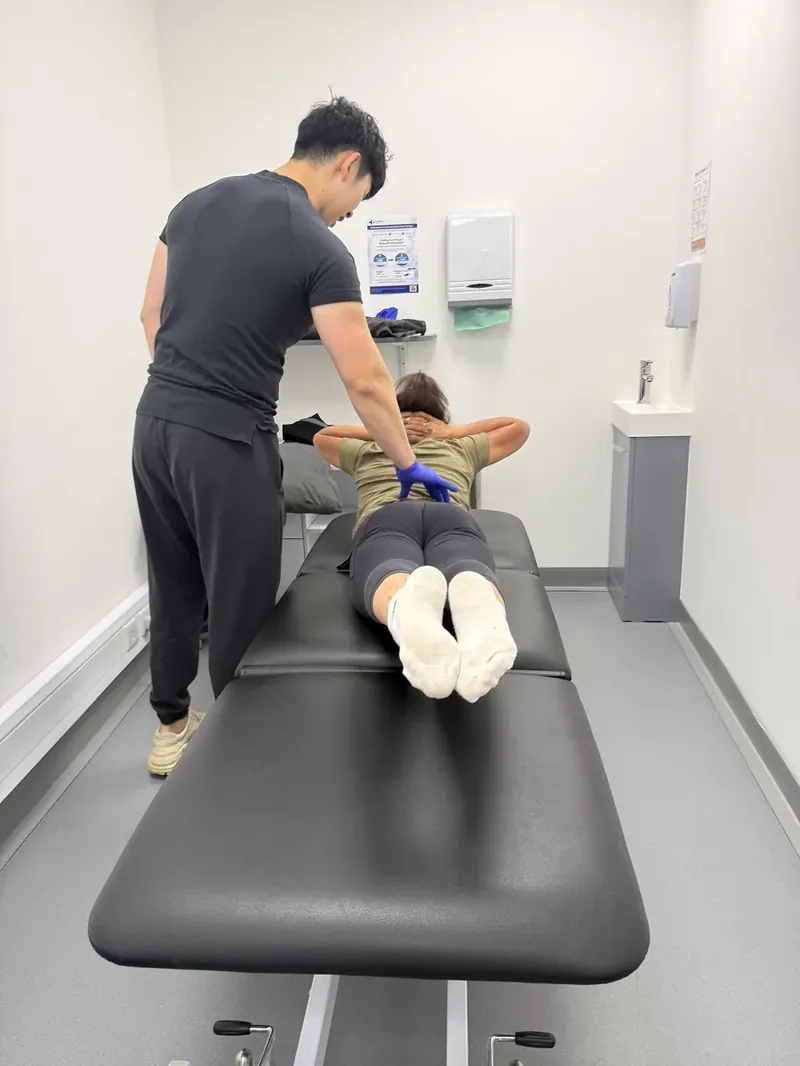
Whiplash is one of the most common injuries sustained in road traffic accidents. It occurs when a sudden acceleration-deceleration force moves the head rapidly forward and backward (or sideways), stressing the soft tissues of the cervical spine. Despite being often dismissed as a minor injury, whiplash can produce a complex and persistent set of symptoms that significantly affect quality of life.
What Is Whiplash?
The term "whiplash" describes the mechanism of injury rather than a specific diagnosis. The structures injured may include the muscles, ligaments, facet joints, discs, and in some cases nerve roots of the cervical spine. The severity of symptoms does not always correlate directly with the apparent severity of the collision.
Common Whiplash Symptoms
- Neck pain and stiffness — often worsening 24 to 48 hours after the accident
- Headache, typically starting at the base of the skull
- Reduced neck movement
- Shoulder pain and upper back pain
- Arm pain, tingling, or numbness (if nerve roots are involved)
- Dizziness or visual disturbance (less common, but important to assess)
- Fatigue, difficulty concentrating, and sleep disturbance
Grades of Whiplash
The Quebec Classification grades whiplash injuries from 0 to 4:
- Grade 1 — neck pain with no physical signs
- Grade 2 — neck pain with reduced movement or muscle tenderness
- Grade 3 — neck pain with neurological signs (numbness, weakness, reduced reflexes)
- Grade 4 — fracture or dislocation — requires urgent medical management
Grade 3 and 4 injuries require medical assessment and imaging before physiotherapy. Grades 1 and 2 — the most common — are managed primarily with physiotherapy.
The Role of Physiotherapy in Whiplash Recovery
Early active management — getting moving rather than immobilising in a collar — is the evidence-based approach to whiplash recovery and is associated with significantly better long-term outcomes. Physiotherapy assessment guides a graduated programme of active exercises, manual therapy where appropriate, and advice on activity modification and return to normal function.
Education is an important part of whiplash management — understanding why symptoms occur and how recovery typically progresses can reduce anxiety and support engagement with active rehabilitation.
Insurance: Physiotherapy for whiplash following a road traffic accident may be covered by your motor insurer or personal injury claim. Contact us to discuss your situation. Lambert Sports Clinic is CQC registered and our records can support medico-legal documentation where required.
How Long Does Whiplash Recovery Take?
Most grade 1 and 2 whiplash injuries resolve with appropriate management within 3 months. A minority of patients develop persistent symptoms that last longer — factors associated with slower recovery include high pain levels in the first week, significant anxiety or sleep disturbance, and delayed access to active rehabilitation. Early physiotherapy is associated with better outcomes.
Chronic Whiplash
For patients with symptoms persisting beyond 3 months, a comprehensive physiotherapy assessment is essential to guide ongoing management. This may include manual therapy, specific exercise rehabilitation, and attention to any psychological factors that are contributing to symptom persistence.
Book a Physiotherapy Assessment for Whiplash
HCPC physiotherapists · 6 days a week · Surbiton, Kingston & New Malden
Book Your AssessmentDisclaimer: This article is for general information only and does not constitute medical advice. Suitability for any treatment is determined at individual clinical assessment. Outcomes vary. Lambert Sports Clinic is CQC registered; all physiotherapists are HCPC registered.