Sports Massage for Footballers — Recovery, Injury Prevention & Performance
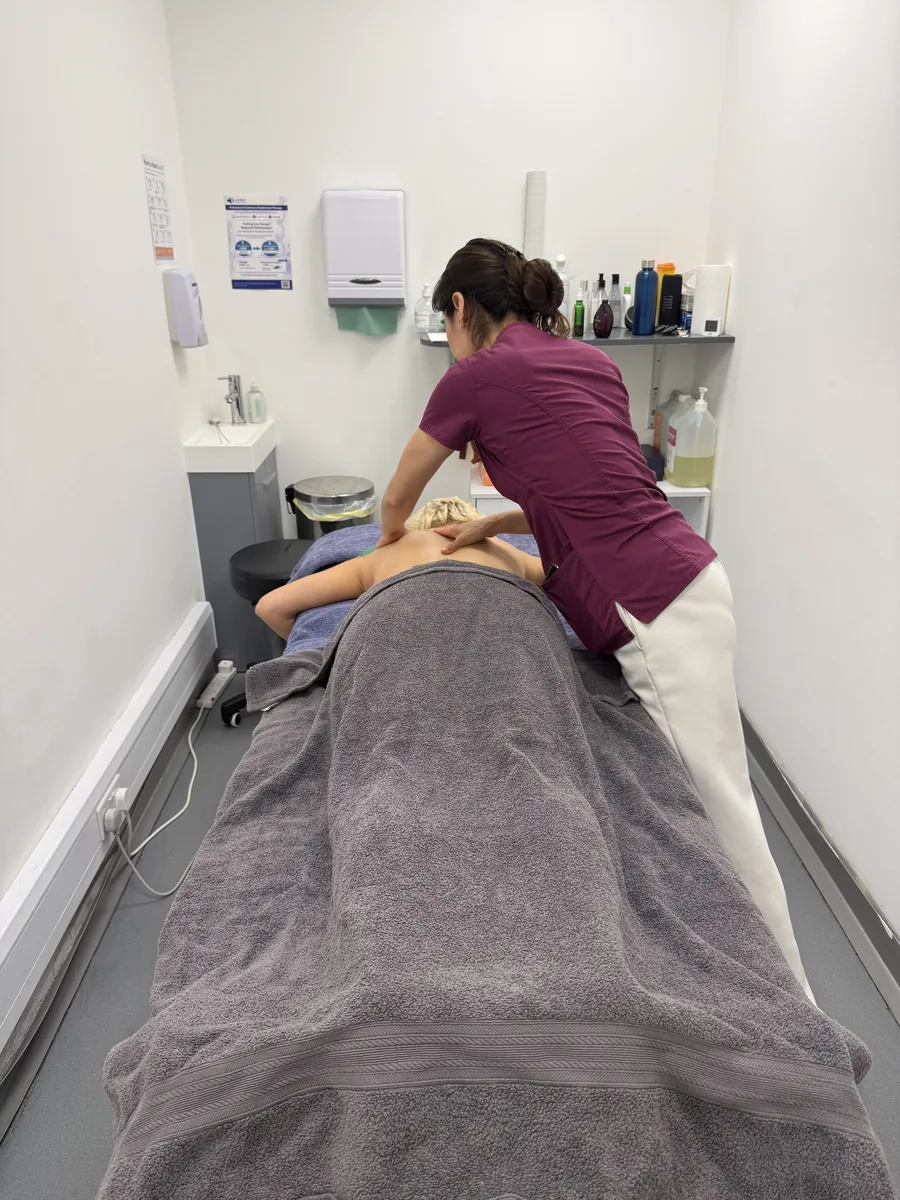
Football places significant physical demands on the body — 90 minutes of mixed aerobic and explosive activity, repeated sprinting, tackling, kicking, and frequent changes of direction take their toll on the muscles, tendons, and joints. For football players at any level, regular sports massage is a valuable tool for recovery, injury prevention, and maintaining performance across a long season.
What Sports Massage Does for Footballers
Sports massage addresses the soft tissue effects of football training and match play — reducing delayed-onset muscle soreness (DOMS), improving local circulation, releasing areas of chronic muscle tension, and helping to identify tightness or imbalances before they develop into injuries. It works best as part of a regular recovery routine rather than as a one-off treatment.
The Hamstrings
Hamstring injuries are the most common acute injuries in football. The hamstrings work intensively during sprinting and kicking, and chronic tightness or fatigue in the muscle can increase injury risk. Regular sports massage of the hamstrings — targeting the musculotendinous junction and the proximal attachment near the sit bone — helps maintain tissue quality and reduce the risk of strains. For footballers who have had a previous hamstring strain, massage is particularly valuable as part of an ongoing injury prevention strategy.
The Quadriceps
Kicking and explosive running work the quadriceps hard. Quadriceps tightness can contribute to anterior knee pain and patellar tendinopathy. Regular massage of the quads — including the rectus femoris, which crosses both the hip and knee — helps maintain length and reduce tension in this muscle group.
The Calf and Achilles
Sprint acceleration and repeated push-off load the calf-Achilles complex heavily. Gastrocnemius and soleus tightness is a risk factor for Achilles tendinopathy and calf strains — both common in footballers, particularly those over 30. Regular calf massage maintains tissue flexibility and reduces the risk of these injuries.
Hip Flexors and Adductors
Kicking action involves significant hip flexor and adductor activity. Adductor-related groin pain (adductor tendinopathy) is a common problem in footballers, and hip flexor tightness can contribute to anterior hip pain and lumbar spine stress. Massage targeting the hip flexors, adductors, and gluteals helps maintain the muscle balance required for efficient football movement.
How Often Should Footballers Have Sports Massage?
For players training and playing 2 to 3 times per week, a massage every 2 to 3 weeks during the season is a reasonable maintenance approach. Before a tournament or particularly heavy training block, more frequent massage may be beneficial. Post-match massage can be useful 24 to 48 hours after a game when soreness has peaked.
Got a niggle? If you are carrying a minor injury or muscle tightness that is affecting training, a combined physiotherapy and sports massage assessment is the most thorough approach. Our team can work together to address both the rehabilitation and soft tissue components of your recovery.
Sports Massage vs Physiotherapy for Football Injuries
If you have a specific injury (hamstring strain, ankle sprain, groin pain), a physiotherapy assessment is the right first step — this ensures an accurate diagnosis and appropriate treatment plan. Sports massage works effectively alongside physiotherapy and as standalone maintenance for players without current injury.
Book a Sports Massage in Surbiton
Experienced sports massage therapists · Surbiton, Kingston & New Malden
Book Sports MassageDisclaimer: This article is for general information only and does not constitute medical advice. Suitability for any treatment is determined at individual clinical assessment. Outcomes vary. Lambert Sports Clinic is CQC registered; all physiotherapists are HCPC registered.