Sports Massage for Racket Sport Players — Tennis, Padel & Squash
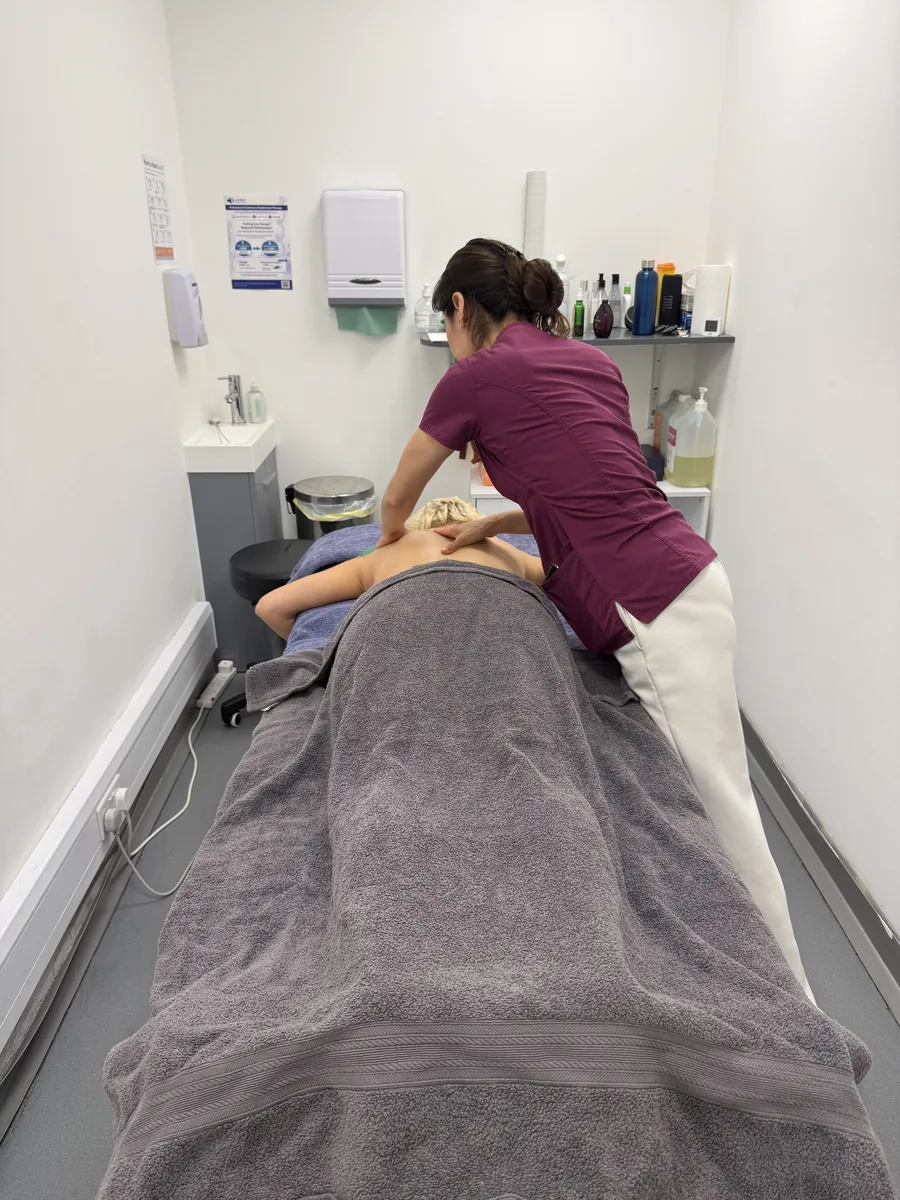
Racket sports — tennis, padel, and squash — place highly specific demands on the body that make regular sports massage a valuable part of any serious player's routine. The forearm, shoulder, upper back, and lower limb all accumulate significant tension with regular play, and addressing this before it leads to injury keeps you on court for longer.
What Sports Massage Does for Racket Players
Sports massage works on the soft tissues — muscles, tendons, and connective tissue — to release areas of tension, improve local circulation, reduce delayed-onset muscle soreness (DOMS), and support the recovery process between training sessions and matches. For racket players specifically, it also helps identify areas of developing tightness that may predispose to injury if left unaddressed.
The Forearm and Elbow
The forearm extensors and flexors are among the most heavily loaded structures in any racket player. They work on every single shot to control the racket, stabilise the wrist, and generate power. Over time — particularly with high playing volumes or a recent increase in session frequency — the forearm muscles can become chronically tight and the tendons at their elbow attachments can become reactive.
Regular sports massage of the forearm can reduce muscle tone, improve tissue quality, and reduce the loading stress transmitted to the elbow — all of which contribute to lower risk of lateral epicondylalgia (tennis or padel elbow). If you already have elbow pain, your therapist will work around the acute area while addressing the contributing muscle tightness.
The Shoulder and Upper Back
The serving action in tennis and padel and the overhead drive in squash require the shoulder to move through its full range under load, relying heavily on the rotator cuff, deltoid, and the muscles that stabilise the shoulder blade (scapular stabilisers). These structures become fatigued with repetitive overhead play.
Sports massage of the shoulder girdle, upper trapezius, rhomboids, and posterior rotator cuff helps restore muscle balance, improve range of motion, and reduce the fatigue-related load on the shoulder joint. Many players find that regular massage between playing sessions significantly reduces the shoulder stiffness and aching they experience the morning after heavy play.
The Lower Back
Rotation through the lumbar spine and sustained forward-lean posture during rallies creates tightness in the lumbar paraspinals, quadratus lumborum, and hip flexors. This is particularly pronounced in players who hit predominantly from one side and have developed asymmetrical muscle patterns. Sports massage targeting the lower back and hip flexors is a valuable complement to core strengthening for racket players who experience back discomfort.
Lower Limb — Calf, Quads and Hip
The explosive push-off, rapid lunging, and deceleration involved in racket sports work the calf, quadriceps, hamstrings, and hip stabilisers intensively. Calf tightness in particular is a risk factor for Achilles tendinopathy and plantar heel pain — both common in racket players. Regular lower limb massage maintains tissue length and helps the muscles recover fully between sessions.
How Often Should Racket Players Have Sports Massage?
This depends on your playing volume and any existing issues. As a general guide:
- Competitive players (3+ sessions per week) — every 2 to 3 weeks
- Regular club players (1–2 sessions per week) — monthly
- Recreational players — every 6 to 8 weeks as maintenance, or more frequently around tournaments or when managing a niggle
At Lambert Sports Clinic our sports massage therapists have experience working with racket sport players and understand the specific demands of tennis, padel and squash. We can also advise on stretching and self-maintenance between appointments.
Sports Massage vs Physiotherapy — What Do I Need?
If you have an existing injury, a physiotherapy assessment is the right starting point — this ensures an accurate diagnosis and appropriate treatment plan. Sports massage works well alongside physiotherapy for injuries, and as a standalone treatment for maintenance, recovery, and injury prevention in players without current injury.
Book a Sports Massage in Surbiton
Experienced sports massage therapists · Flexible appointment times · Surbiton, Kingston & New Malden
Book Sports MassageDisclaimer: This article is for general information only and does not constitute medical advice. Suitability for any treatment is determined at individual clinical assessment. Outcomes vary between patients. Lambert Sports Clinic is CQC registered and all physiotherapists are HCPC registered.