Tennis Shoulder & Rotator Cuff Injuries — Racket Sports Physiotherapy
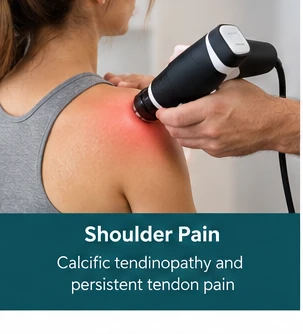
Shoulder injuries are among the most common complaints in racket sport players — tennis, padel and squash all place significant and repeated stress on the shoulder joint and surrounding structures. Whether you are experiencing pain on serving, discomfort during overhead shots, or an ache that lingers after play, understanding the likely cause is the first step toward effective treatment.
Why Racket Sports Are Hard on the Shoulder
The tennis serve, padel smash, and squash overhead drive all require the shoulder to move through a wide range of motion under load at high speed. The rotator cuff — a group of four muscles that stabilise the humeral head in the shoulder socket — works intensively during these actions. Over time, especially with high playing volumes, inadequate recovery or technique issues, these structures can become painful and dysfunctional.
Common Shoulder Conditions in Racket Players
Rotator Cuff Tendinopathy
This is the most common shoulder condition in overhead athletes. The supraspinatus tendon, which runs through a narrow space under the acromion (the roof of the shoulder), is most frequently affected. Symptoms include pain with overhead movements, discomfort when sleeping on the affected side, and a dull ache following activity. The condition involves reactive or degenerative changes in the tendon tissue and responds well to a progressive loading rehabilitation programme.
For persistent supraspinatus tendinopathy, shockwave therapy (ESWT) may be considered alongside rehabilitation. Calcific tendonitis — where calcium deposits form within the tendon — is a related condition for which shockwave therapy has a particularly strong evidence base.
Shoulder Impingement Syndrome
Shoulder impingement refers to compression of the rotator cuff tendons and the subacromial bursa in the space beneath the acromion. It typically causes a painful arc of movement — pain when lifting the arm between approximately 60 and 120 degrees — and discomfort with overhead activity. Physiotherapy aims to restore optimal shoulder mechanics, improve rotator cuff and scapular muscle strength, and reduce the factors contributing to impingement.
Calcific Tendonitis
Calcium deposits can form within the rotator cuff tendon, causing significant pain and restriction — sometimes acutely, sometimes as a chronic background ache. This condition is seen across all ages and is not limited to heavy athletes. Shockwave therapy (ESWT) has a strong evidence base for calcific tendonitis, and is often recommended as a first-line non-surgical treatment. A number of studies show high rates of calcium resorption and symptom resolution following a course of shockwave therapy.
Acromioclavicular (AC) Joint Irritation
The AC joint, where the collarbone meets the tip of the shoulder blade, can become irritated with the loading patterns of racket sports. Pain is typically felt at the top of the shoulder and may be aggravated by cross-body movements and serving. Management usually involves activity modification, targeted exercises, and occasionally a brief period of anti-inflammatory treatment guided by your GP.
Biceps Tendon Irritation
The long head of the biceps runs through the shoulder joint and can become irritated in tennis and padel players, producing pain at the front of the shoulder with overhead movements and resisted elbow flexion.
Physiotherapy Assessment
Accurate diagnosis is essential for effective treatment. At Lambert Sports Clinic, your physiotherapist will assess shoulder movement, rotator cuff and scapular muscle strength, joint stability, and the contribution of your thoracic spine to shoulder mechanics. Where appropriate, referral for imaging (ultrasound or MRI) can be arranged.
Your playing history, technique, and racket factors will also be considered — sometimes a change in string tension, grip size or serve technique can make a significant difference to shoulder loading.
Shockwave Therapy for Shoulder Conditions
For rotator cuff tendinopathy and calcific tendonitis that have not responded adequately to physiotherapy and load management, shockwave therapy (ESWT) is available at Lambert Sports Clinic from £90 per session. Assessment determines suitability and ensures shockwave is applied to the correct structure.
Shoulder pain and playing racket sports? Early assessment often means shorter treatment times and a quicker return to full play. Don't wait for symptoms to become chronic before seeking help.
Return to Play
A structured return-to-sport plan is an important part of shoulder rehabilitation. Your physiotherapist will guide you through progressive reintroduction of serving, overhead smashes, and full training, with criteria-based progression to reduce the risk of recurrence.
Book a Shoulder Assessment Today
HCPC physiotherapists · Available 6 days a week · Surbiton, serving Kingston & New Malden
Book Your Shoulder AssessmentDisclaimer: This article is for general information only and does not constitute medical advice. Suitability for any treatment is determined at individual clinical assessment. Outcomes vary between patients. Lambert Sports Clinic is CQC registered and all physiotherapists are HCPC registered.